Longwood, FL is a beautiful city located in Seminole County. It is apart of the Orlando–Kissimmee–Sanford, Florida Metropolitan Statistical Area. It is a diverse city of middle class citizens according to wikipedia.com Longwood, FL has served as the film backdrop for Universal Studios. There was great economic development between 1960-1970 when a missle plant planted …


Longwood, FL is a beautiful city located in Seminole County. It is apart of the Orlando–Kissimmee–Sanford, Florida Metropolitan Statistical Area. It is a diverse city of middle class citizens according to wikipedia.com
Longwood, FL has served as the film backdrop for Universal Studios. There was great economic development between 1960-1970 when a missle plant planted itself in Orlando. This community has many schools and various community endeavors to boost the moral and give back such as the annual CROP walk.
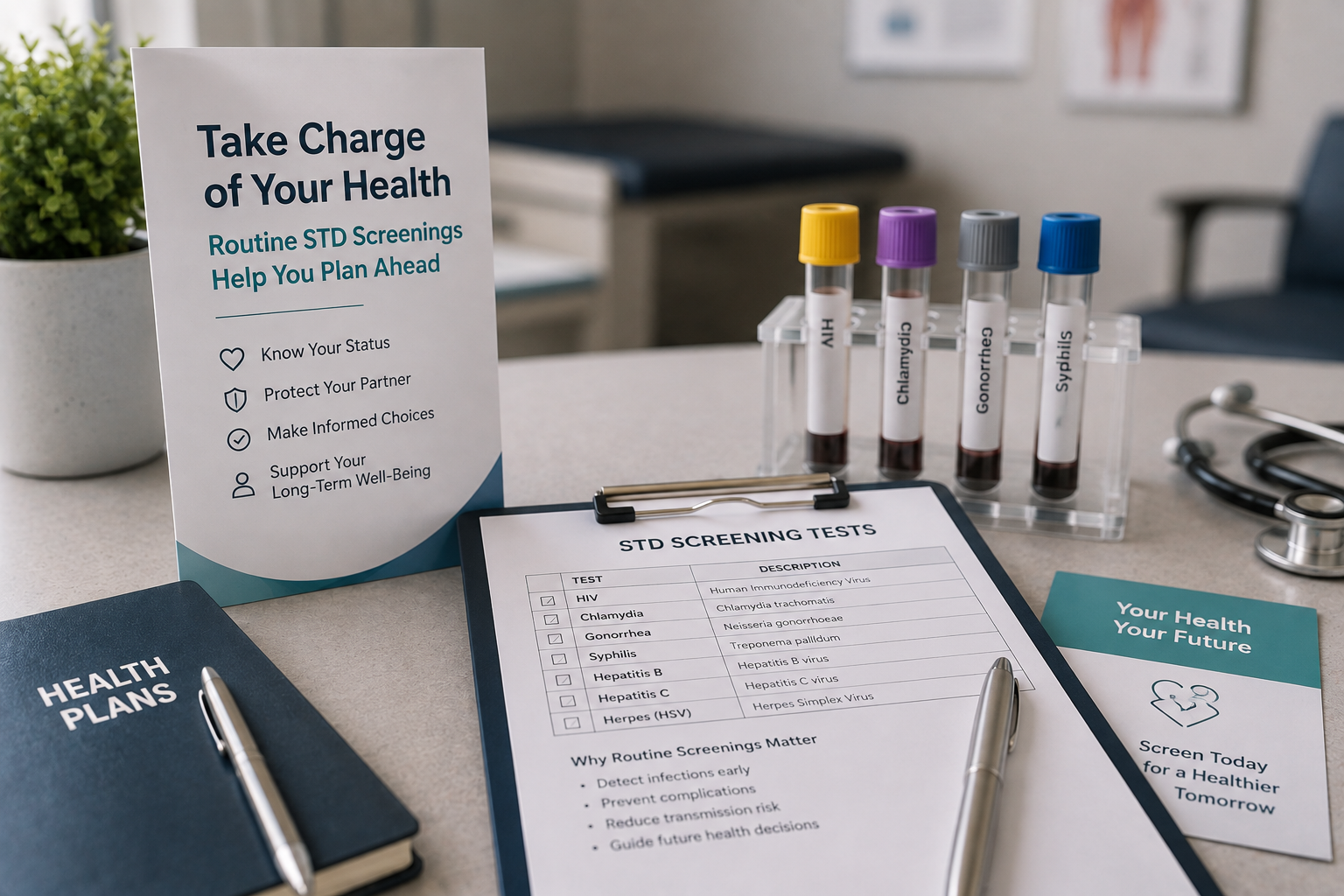
Community Care Resources also is added value to this community as it services this community with community awareness about STDs and resources to help keep the Longwood community safe.
We do no treat or treat for Human Papillomavirus (HPV) but we want to raise awareness. HPV is the most common sexually transmitted infection. HPV is usually harmless and goes away by itself, but some types can lead to cancer or genital warts.
Know the Basic about HPV?
About HPV – A Very Common STD
According to Planned Parenthood, Genital HPV infections are very, very common. In fact, most people who have sex get the HPV at some point in their lives. Most people with HPV have no symptoms and feel totally fine, so they usually don’t even know they’re infected.
There are more than 200 types of human papillomavirus (HPV). About 40 kinds can infect your genital area — your vulva, cervix, rectum, anus, penis, and scrotum — as well as your mouth and throat. These kinds of HPV are spread during sexual contact. (Other types of HPV cause common warts like hand warts and plantar warts on the feet — but these aren’t sexually transmitted.)
Most genital HPV infections aren’t harmful at all and go away on their own. But some kinds of HPV can lead to genital warts or certain types of cancer.
- Two types of HPV (types 6 and 11) cause most cases of genital warts. Warts are no fun, but they’re considered low-risk HPV because they don’t lead to cancer or other serious health problems.
- At least a dozen types of HPV can sometimes lead to cancer, though two in particular (types 16 and 18) lead to the majority of cancer cases. These are called high-risk HPV. Cervical cancer is most commonly linked to HPV, but HPV can also cause cancer in your vulva, vagina, penis, anus, mouth, and throat.
There’s no cure for HPV. But there’s a lot you can do to keep HPV from having a negative impact on your health. There are vaccines that can help protect you from ever getting certain types of HPV. Genital warts can be removed by your nurse or doctor. High-risk HPV can usually be easily treated before it turns into cancer, which is why regular Pap/HPV tests are so important. While condoms and dental dams don’t offer perfect protection, they can help lower your chances of getting HPV.
How do you get HPV?
HPV is easily spread from sexual skin-to-skin contact with someone who has it. You get it when your vulva, vagina, cervix, penis, or anus touches someone else’s genitals or mouth and throat — usually during sex. HPV can be spread even if no one cums, and even if a penis doesn’t go inside the vagina/anus/mouth but remember as stated earlier, it goes away by itself.
For more information on how to keep you and your loved ones safe, contact a Community Care Resources of Florida representative at 1 (877) 287-2520 or visit “Our Services” page about STD Tests and Treatments we do offer.
Book a Consultation
It’s easy and free!